
Northern VA Neighborhoods & Homes for Sale
From Metro-connected urban corridors to quieter residential areas across the Potomac from DC — compare the areas, browse listings, and explore what each one offers.


Northern Virginia Real Estate Snapshot
Market conditions shift throughout the year, but Northern Virginia consistently reflects durable demand shaped by area-level differences. Use this snapshot as context, then explore individual area pages for deeper local insight — from amenities and transportation to current sales data. You can also browse active listings on the MLS, and if you'd like, request information on homes available through Compass Private Exclusives.
Walkable, Metro-adjacent areas command premium prices. Moving further from stations or toward less urban settings typically offers more space for the budget.
Well-located properties — especially near Metro and in established areas — often see strong buyer interest. Preparation and quick decision-making help in competitive situations.
Inventory is most constrained in Arlington's urban villages and areas benefiting from Amazon HQ2 growth. Outer areas and larger lots may offer more selection.
What Makes Northern Virginia Distinct
"Northern Virginia" covers a lot of ground — and the differences between areas can be as dramatic as the differences between NoVA and DC itself. Housing ranges from high-rise condos in urban villages like Rosslyn and Ballston to single-family homes on large lots throughout McLean and Falls Church.
The region sits directly across the Potomac from DC, offering strong transit connections via the Orange, Silver, and Blue Metro lines. It's also a major employment hub anchored by the Pentagon, federal contractors, and — more recently — Amazon's HQ2 in Arlington. For buyers, outcomes tend to be driven by micro-location, commute trade-offs, and timing more than by broad regional averages.
Our Northern Virginia Focus
Arlington is where we do most of our Northern Virginia business and have the deepest local knowledge. We also serve Alexandria, Falls Church, and McLean and can provide detailed guidance in those markets. Looking elsewhere in Fairfax County or Northern Virginia? We're happy to help — or connect you with a specialist if that's a better fit for your needs.
Discuss Your Search AreaGuidance For Buyers
Most Northern Virginia buyers are balancing three variables: commute time, walkability, and space. You can usually optimize for two — rarely all three. Knowing which one you're willing to compromise on speeds up the search considerably.
Not all Metro stations are equal. Clarendon and Ballston offer walkable retail and dining at street level; East Falls Church and Dunn Loring are more car-dependent despite being on the same line. The station itself — not just distance to it — shapes daily life and resale appeal.
Arlington's corridors offer walkable dining, nightlife, and urban energy. McLean and parts of Falls Church provide larger lots and quieter streets. Clarifying which lifestyle you want narrows the search quickly.
Frequently Asked Questions About Northern Virginia Real Estate
Yes, but the effect is more nuanced than most people expected. The announcement itself caused an initial price spike in 2019, particularly for detached homes near National Landing. But the longer-term story is that broader factors — limited housing supply, regional job growth, and high household incomes — have driven most of the appreciation across Arlington.
Amazon has hired roughly 8,000 of the planned 25,000 employees so far, and many have opted to rent luxury apartments near the campus rather than buy. The biggest ongoing impact is in Crystal City, Pentagon City, and surrounding corridors where new mixed-use development has reshaped the streetscape. Arlington was already one of the region's most competitive markets before HQ2 — Amazon added fuel, but it wasn't the spark.
They share a border and both have strong Metro access, but the feel is quite different. Arlington is more urban and condo-heavy, especially along the Rosslyn–Ballston corridor, with a younger, more transient population drawn to walkable nightlife and dining. Alexandria — particularly Old Town — has historic character, waterfront access, cobblestone streets, and a mix of townhomes and single-family homes.
Both have strong resale markets, but the appeal is different. Arlington's Metro corridors attract buyers drawn to walkable urban living with restaurants and nightlife at street level. Alexandria — especially Old Town — appeals to buyers looking for historic architecture, waterfront access, and a quieter residential pace. Alexandria also includes more suburban pockets in the western part of the city.
McLean is an unincorporated community within Fairfax County — not a city, not a town, and not a separate jurisdiction. It's very much part of Northern Virginia, though it has a distinct suburban character with larger lots, higher price points, and proximity to both Tysons and the George Washington Parkway corridor. McLean tends to attract buyers who want space and privacy while staying close to major employment centers.
Generally, yes. Virginia's average effective property tax rate is around 0.76%, compared to DC's 0.85% (per $100 of assessed value) and Maryland's roughly 1.0% (varying by county — Montgomery County is higher). However, Virginia has a personal property tax on vehicles that DC and Maryland don't charge, which can offset part of the savings depending on what you drive.
Virginia also has no estate tax, which matters for some buyers at higher price points. The full picture depends on your income, home value, and vehicle situation — the jurisdiction that's cheapest for one buyer may not be cheapest for another. Our guide to home buying costs in DC, MD, and VA breaks this down with more detail.
McLean consistently ranks among the most expensive areas, with a median sale price well above $1 million for single-family homes — often $2M+ in certain pockets near the Potomac. Arlington's North Arlington (see




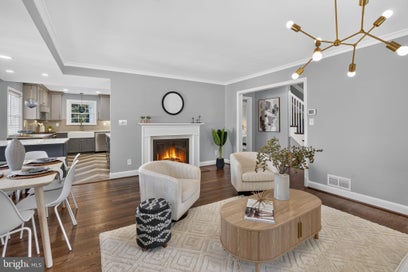





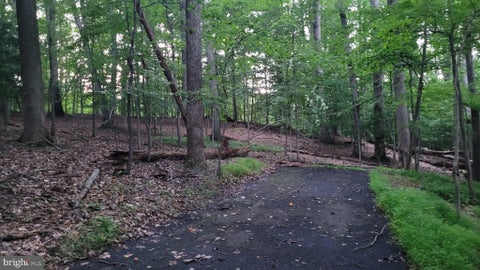
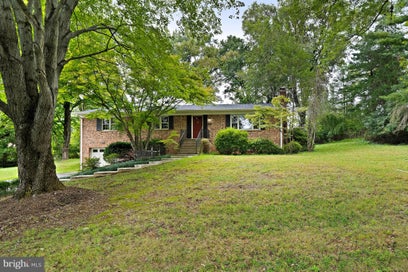


Within the areas we cover, McLean and North Arlington represent the top tier, though prices vary dramatically by property type — condos in the same ZIP codes often sell for a fraction of detached-home prices.
It depends entirely on where you look. Arlington's Metro corridors —



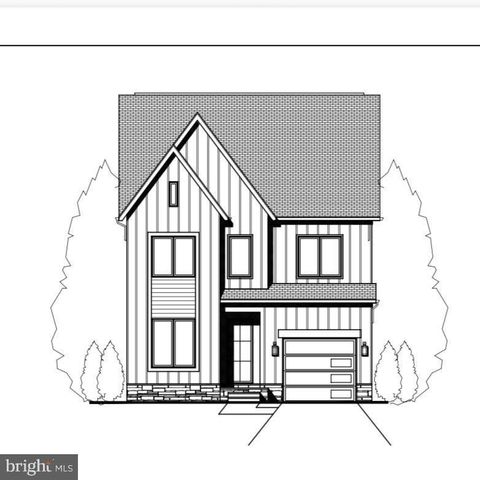


McLean offers larger lots with detached homes, many on half-acre-plus parcels. Alexandria ranges from historic Old Town townhomes to suburban single-family homes in the western sections. Falls Church — particularly the small independent City of Falls Church — has a mix of older bungalows, mid-century homes, and newer infill construction. Browse our area pages above to see what's typical in each location.
It depends on where you live and how you commute. From Metro-adjacent areas like Rosslyn, Clarendon, or Ballston, you can reach downtown DC in 10–20 minutes by train. Driving the same distance during rush hour can take 30–45+ minutes. From McLean or Falls Church, add 10–20 minutes by car depending on traffic and route.
The key variable isn't just distance — it's whether you're near a Metro station, and which one. Not all stations are equal for walkability or parking. The WMATA trip planner is the most accurate tool for estimating specific commute times.
The region has strong long-term fundamentals: diverse employment anchored by the federal government, defense contractors, and tech (including Amazon HQ2), consistently high household incomes, and limited housing supply that supports price stability. Whether it's the right time for you depends on your timeline, financing, and what you're looking for.
In competitive micro-markets like Arlington's urban corridors, preparation and speed still matter. In quieter pockets, there may be more room to negotiate. A conversation about your specific situation is the best starting point — get in touch.
Have Questions About a Specific Area?
A quick conversation can help clarify which Northern Virginia areas fit your priorities and what to expect in today's market.
Request Area Insights